
Bringing a baby into the world is a miraculous journey, and for many parents-to-be, the anticipation grows as their due date approaches. Among the various non-medical methods to encourage labor, partner labor induction exercises stand out for their dual benefit. Not only can these exercises potentially help in initiating labor, but they also fortify the bond between partners. As the journey to parenthood continues, engaging in exercises can promote intimacy and teamwork. Always remember, it’s essential to start these routines after 38 weeks of pregnancy and to have a chat with your healthcare provider beforehand.
Understanding the Journey: Benefits of Couple Exercises for Labour Induction
Couple exercises to induce labour pains aren’t just about starting the birthing process. They offer a blend of physical and emotional benefits. Engaging in labor pain exercises with partner can be comforting and prepare your body for the demands of childbirth without the stress of medical interventions. The idea is simple: certain movements can encourage the baby to get into the right position, stimulating the start of labor.
Physical activity during the final weeks of pregnancy is known to boost mental well-being. It reduces stress, uplifting the spirits of both the mother and father as they await their little one. Such exercises offer more than a way to induce labor—they contribute to your overall health and provide an opportunity for couples to spend quality time together.
Couple workouts to start labor strengthen the bond as both partners work towards a shared goal. It’s a special time to connect, reflect, and prepare for the upcoming life changes. Encouraging your partner and feeling supported fortifies emotional resilience, providing a sense of calm and readiness for when labor begins.
Embracing Movement: Exercises for Couples to Naturally Induce Labour
There are several partner assisted labor stimulation exercises that can be not only effective but enjoyable for couples. Let’s explore some key exercises:
- Deep Squats
Deep squats can be incredibly beneficial. Both partners should stand facing each other and the expecting mother can lean on her partner for balance. Squat down slowly, ensuring the form is correct to avoid any strain. – Aim for about 5-10 squats in one session, ensuring rest in between. – This exercise helps open the pelvis, encouraging the baby to move lower and trigger labor.
- Walking Together
A simple yet powerful exercise, walking not only keeps both partners active but can also help initiate labor. – Spend about 30 minutes to an hour each day walking at a comfortable pace. – Partners can hold hands, which enhances emotional connection. – Walking helps naturally make the baby’s head press downwards, potentially stimulating both the cervix and contractions.
- Pelvic Tilts and Hip Circles
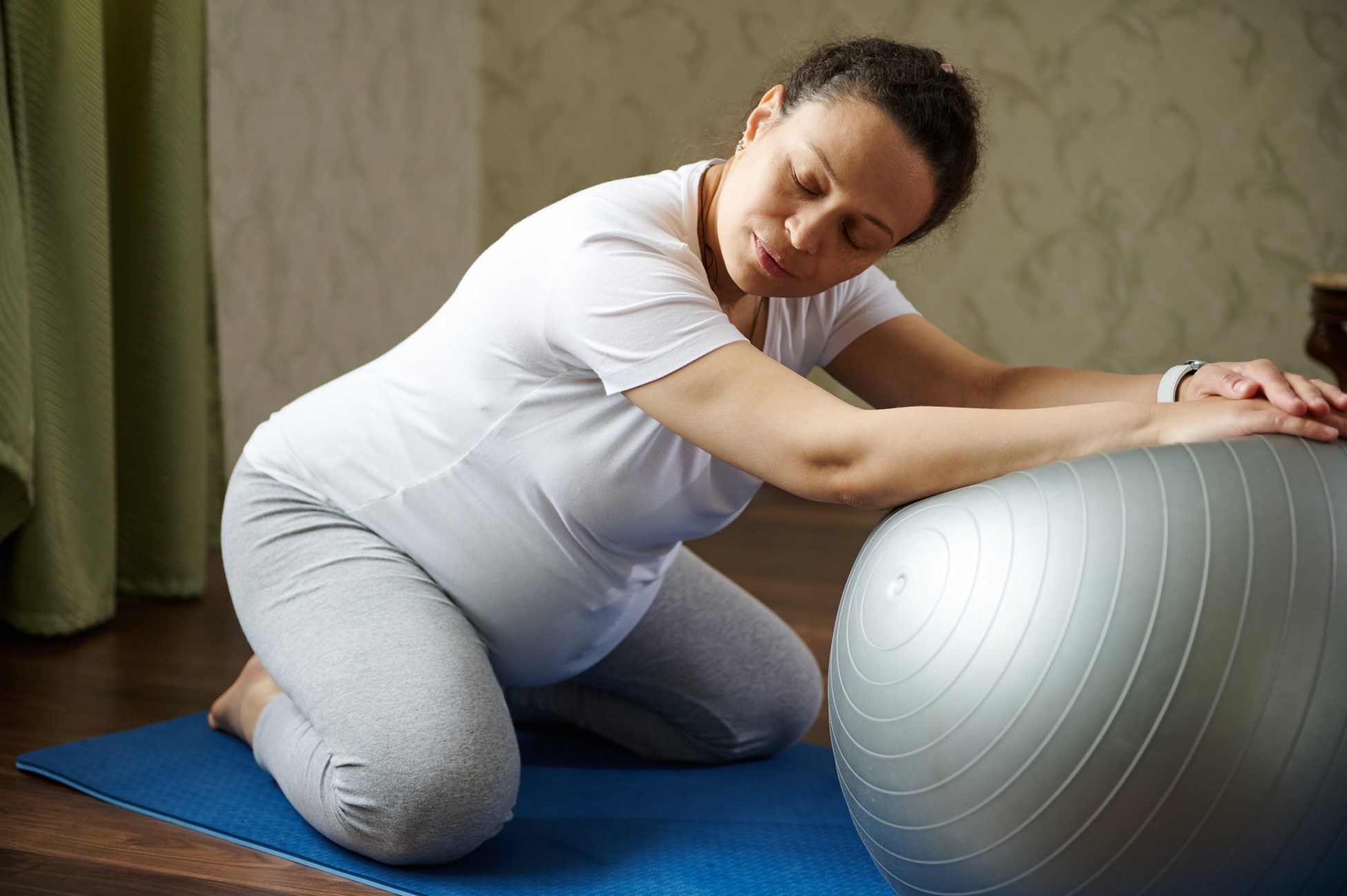
These exercises involve gentle rocking and can be done with your partner’s support. – Pelvic tilts involve gently moving the hips back and forth while standing or on all fours. – Hip circles can also be done sitting on a stability ball. With your partner’s help, making slow, controlled circles with your hips can increase pelvic flexibility. – These movements help the baby get into an ideal birthing position, especially when complemented by your partner’s assistance.
By engaging in these pregnancy exercises to induce labor with partner, you encourage labor while also fostering a unique connection.
Nurturing the Connection: Mindfulness and Complementary Approaches
As the time of delivery draws near, embracing mindfulness through labor inducing exercises with spouse becomes vital. Such exercises are not just physical but provide a mental and emotional connection. Intimate interactions introduce a sense of unity, reminding the couple of the joy that awaits.
Besides exercise, gentle acupressure can complement your routine. Applying pressure to certain spots around the ankles or hands, as guided by reliable sources, might naturally promote labor. Also, practicing mindful relaxation techniques like deep breathing can be calming.
Establishing routines that are safe and enjoyable requires patience. They should feel exhilarating yet grounding, balancing excitement with calm anticipation. However, while indulging in these natural methods, it’s crucial to remain attentive to your body’s signals and know when to seek medical attention. New parents, remember the importance of balancing natural approaches with medical guidance to ensure a safe and happy birthing experience.
By integrating these partner labor induction exercises, you not only aim to induce labor naturally but also create lasting memories with your loved one as you prepare to welcome your new baby.
