What Is Hormonal Acne in Adult Women?
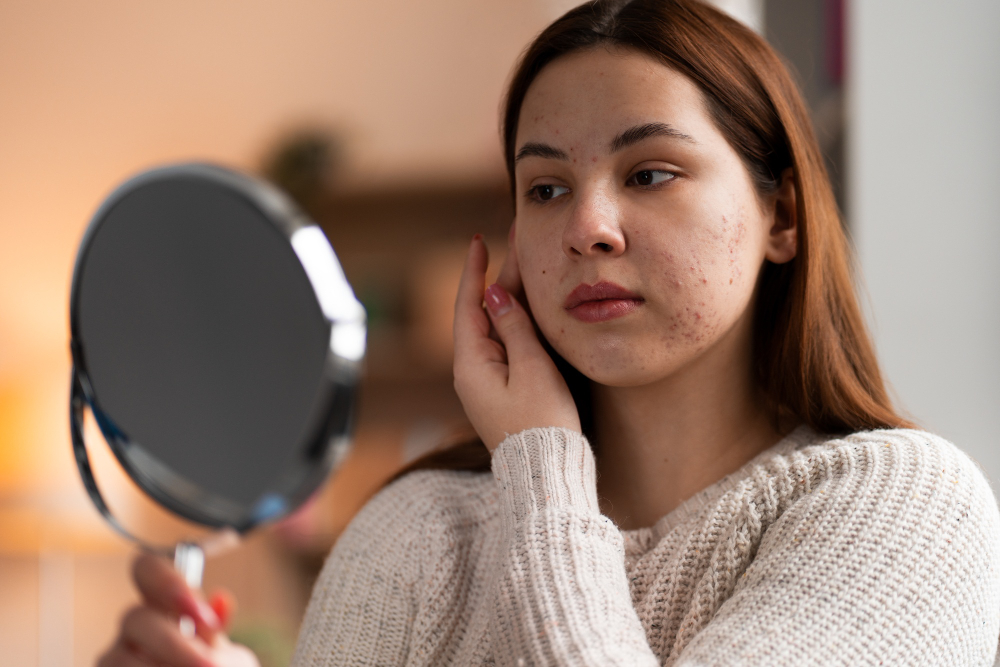
Hormonal acne in adult women is a common skin problem. It happens when hormone levels change and cause pimples or breakouts. Many women notice this type of acne in their 20s, 30s, or even later. Often, hormonal acne appears around the chin, jawline, and lower face. Because it can be stubborn, many women look for the best treatment for hormonal acne.
Common Symptoms and How It Differs from Teenage Acne
Although both teens and adults can get acne, there are some key differences. For example, hormonal acne in adult women often shows up as:Deep, painful bumps under the skinRed or swollen spots, mostly on the chin and jawBreakouts that come and go with the menstrual cycle
In contrast, teenage acne usually affects the forehead, nose, and cheeks. Adult female acne causes more stubborn spots that may last longer. Sometimes, these bumps can leave dark marks or scars.
Main Causes and Risk Factors
Many things can trigger hormonal acne in adult women. However, changes in hormone levels are the main cause. Some common risk factors include:Monthly periods, pregnancy, or menopausePolycystic ovary syndrome (PCOS)High stress, which can affect hormonesStopping or starting birth control pillsFamily history of acne
Because hormones can change for many reasons, adult female acne causes can be different for each person. For instance, stress may make acne worse by raising certain hormone levels.
Diagnosis: How Doctors Identify Hormonal Acne
Doctors use several steps to diagnose hormonal acne in adult women. First, they ask about your health history and symptoms. Next, they look at your skin to check the type and location of acne. Sometimes, doctors may order blood tests to check hormone levels. If you have signs of PCOS or other hormone problems, more tests may be needed. Early diagnosis helps find the right treatment for hormonal acne.
Evidence-Based Treatment Options
Treating hormonal acne in adult women often needs a mix of methods. According to experts like the CDC and peer-reviewed journals, these options work best:Topical treatments: Creams with retinoids, benzoyl peroxide, or antibiotics can help clear mild acne.Oral medications: Birth control pills or anti-androgen drugs may balance hormones. Doctors may also prescribe oral antibiotics for short-term use.Lifestyle changes: Eating a healthy diet, reducing stress, and getting enough sleep can support skin health.
Because each person is different, your doctor will suggest the best treatment for hormonal acne based on your needs.
Prevention Tips and Daily Skincare Guidance
While you may not prevent all breakouts, these tips can help reduce hormonal acne in adult women:Wash your face gently twice a dayUse non-comedogenic (won’t clog pores) skincare productsAvoid touching your face oftenRemove makeup before bedManage stress with exercise or relaxationEat a balanced diet with fruits and vegetables
Additionally, always use sunscreen to protect your skin. If you notice new or worsening acne, keep a diary of your symptoms. This can help your doctor find patterns and suggest better treatment for hormonal acne.
When to Consult a Healthcare Professional
If your acne is painful, leaves scars, or does not improve with home care, see a doctor. Sometimes, hormonal acne in adult women can signal other health issues, like PCOS. Early treatment can prevent long-term skin problems. Remember, a specialist can help you find the right solution for your skin.
Consult a specialist for personalized guidance.
