What Is Endometriosis?
Endometriosis is a health condition where tissue, like the lining of the uterus, grows outside the womb. This tissue can cause pain, swelling, and sometimes scar tissue. For many women, endometriosis pain management is a daily concern. Although it is common, many people do not know they have it until symptoms appear.
Common Symptoms and Impact on Daily Life
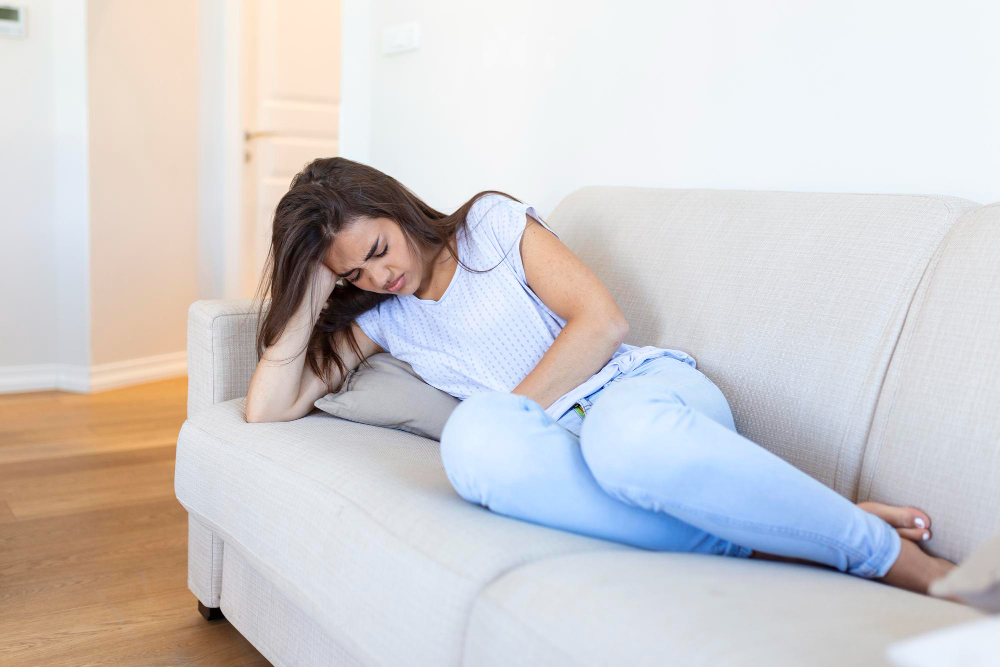
Endometriosis can cause a range of symptoms. Some women feel mild discomfort, while others have severe pain. Often, symptoms can affect work, school, and relationships. For example, you may notice:Painful periods that last longer than usualPain during or after sexLower back or pelvic painTrouble getting pregnantHeavy bleeding during periodsDigestive problems like bloating or diarrhea
Because these symptoms can be similar to other issues, it is important to talk to a doctor if you notice them. Living with endometriosis can be hard, but support and treatment can help.
Causes and Risk Factors
Doctors do not know the exact cause of endometriosis. However, several factors may raise your risk. For instance, if your mother or sister has endometriosis, you may be more likely to get it. Other risk factors include:Starting your period at a young ageShort menstrual cycles (less than 27 days)Heavy periods that last more than seven daysNever giving birth
Although these factors can increase risk, anyone can develop endometriosis. Early diagnosis and treatment can make a big difference.
Diagnosis Methods
Doctors use several methods to diagnose endometriosis. First, they ask about your symptoms and medical history. Next, they may do a pelvic exam to check for lumps or scars. Sometimes, imaging tests like ultrasound or MRI help find problem areas. In some cases, a minor surgery called laparoscopy is needed. During this procedure, a doctor looks inside your belly with a small camera. This is the only way to confirm endometriosis for sure.
Evidence-Based Pain Management Options
There are many endometriosis pain management options. Each person is different, so treatment plans may vary. Here are some proven choices:
Medical Treatments
Pain relievers: Over-the-counter medicines like ibuprofen can help reduce pain.Hormone therapy: Birth control pills or hormone shots can slow tissue growth and ease symptoms.
Surgical Treatments
Laparoscopy: Doctors remove or burn away endometriosis tissue. This can relieve pain for many women.Hysterectomy: In rare cases, removing the uterus may be needed if other treatments do not work.
Lifestyle Changes
Regular exercise can lower pain and boost mood.Eating a balanced diet may help manage symptoms.Getting enough sleep supports overall health.
Alternative Therapies
Physical therapy can ease pelvic pain.Acupuncture may help some women feel better.Relaxation techniques, like yoga or meditation, can reduce stress and pain.
It is important to talk with your doctor before starting any new treatment. They can help you find the best endometriosis treatment options for your needs.
Tips for Daily Living and Self-Care
Living with endometriosis can be challenging, but small changes can make a big difference. For example, you can:Keep a pain diary to track symptoms and triggersUse heat pads on your belly to ease crampsPractice gentle stretching or yogaAsk for help from friends or family when neededJoin a support group to connect with others
Although it may take time, finding what works for you can improve your quality of life.
Prevention and When to Seek Medical Help
There is no sure way to prevent endometriosis. However, early treatment can stop symptoms from getting worse. If you notice severe pain, heavy bleeding, or trouble getting pregnant, see a doctor. In addition, if your pain does not improve with home care, medical help is important. Remember, you do not have to manage endometriosis alone.
Consult a gynecologist for personalized endometriosis pain management advice.
