Pregnancy is a beautiful journey, and understanding what and how much to eat in pregnancy can make it even more rewarding. A balanced diet is crucial for the health of both the mother and the developing baby. This blog will explore the essential aspects of nutrition during pregnancy, focusing on the Indian context and accessible dietary habits.
1. Understanding Nutritional Needs During Pregnancy
Nutrition forms the cornerstone of a healthy pregnancy, ensuring the well-being of both the mother and the growing baby. Every expectant mother wonders what to eat during pregnancy and how much is just right. Pregnancy increases nutritional needs to support the growth and development of the baby. It’s about nourishing two bodies effectively without overdoing it.
In India, many cultural practices align with recommended dietary guidelines. Traditional Indian meals often include a variety of vegetables, pulses, whole grains, and dairy, offering a naturally nutrient-rich diet. However, some modifications might be necessary to meet specific nutritional requirements in pregnancy.
Many common pregnancy myths, such as the age-old advice of “eating for two,” need to be debunked. While nutrient intake does increase, it doesn’t mean doubling food quantity. Instead, focus on portion control and nutrient-dense foods.
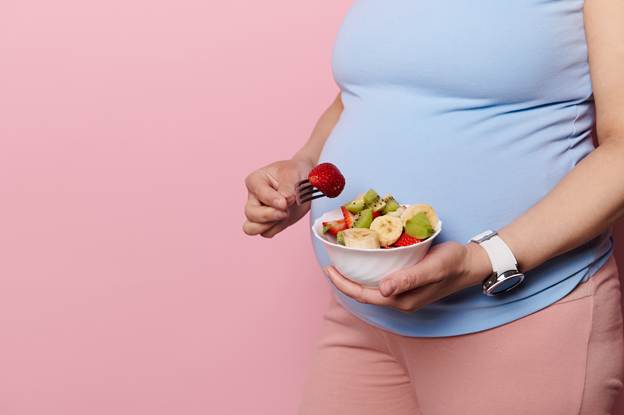
Cravings are a familiar scenario in pregnancy. It’s important to manage them with nutritious alternatives that can satisfy healthily. If you’re craving something sweet, opt for fruits like bananas or apples. Remember, understanding how much to eat during pregnancy can help maintain a healthy balance without compromising cravings.
2. Key Nutrients and How to Get Them
Pregnancy demands specific nutrients like folic acid, iron, calcium, vitamin D, protein, choline, and omega-3 fatty acids. These are vital for both maternal health and fetal development:
- Folic Acid: Essential for brain and spinal cord development. Found in leafy greens, citrus fruits, and beans.
- Iron: Supports increased blood volume. Fortified cereals, spinach, and lentils can boost iron intake.
- Calcium: Important for developing bones. Yogurt, cheese, and tofu are rich sources.
- Vitamin D: Aids calcium absorption. Sunlight, fortified milk, and mushrooms provide vitamin D.
- Protein: Builds fetal tissue. Sources include legumes, dairy, and nuts, making it easy to incorporate into a vegetarian diet.
- Choline: Vital for brain development. Milk, soy products, and green peas are good sources.
- Omega-3 Fatty Acids: Important for brain and eye development. Can be found in walnuts and flaxseeds.
A traditional Indian diet can often meet these nutrient needs. However, vegetarians need to be proactive to avoid nutritional deficiencies. A well-planned vegetarian diet can include plenty of these essential nutrients, ensuring adequate intake without missing out on quality or nutrition.
3. Practical Tips for a Balanced Pregnancy Diet
Keeping a balanced approach to food during pregnancy involves simple meal planning strategies:
- Planning Meals: Aim for meals with energy-density, diversity, and sufficient nutrients.
- Caloric Guidance: In the first trimester, caloric intake remains similar to pre-pregnancy needs. From the second trimester, an additional 340 calories per day is recommended, and in the third trimester, an extra 450 calories is often sufficient.
Mindful eating is vital. Respond thoughtfully to cravings and aversions. If nausea hits, ginger tea or crackers might help calm the stomach.
Here’s a simple meal guide to illustrate a balanced intake of nutrients:
- Breakfast: Oatmeal with fruits and nuts.
- Lunch: Chapati, dal, and a mix of spinach and paneer curry.
- Snack: Yogurt with honey and almonds.
- Dinner: Quinoa salad with mixed vegetables and lemon dressing.
This plan tailors to Indian preferences, showing how a diet chart during pregnancy can reflect varied and balanced food choices.
4. Conclusion
A well-balanced diet during pregnancy is integral to long-term maternal and fetal health. It’s essential to prioritize nutrition and seek guidance from healthcare providers when unsure. Understanding what and how much to eat in pregnancy empowers mothers-to-be. It’s all about choosing healthy food for pregnancy to ensure safe and well-rounded nutrition.
