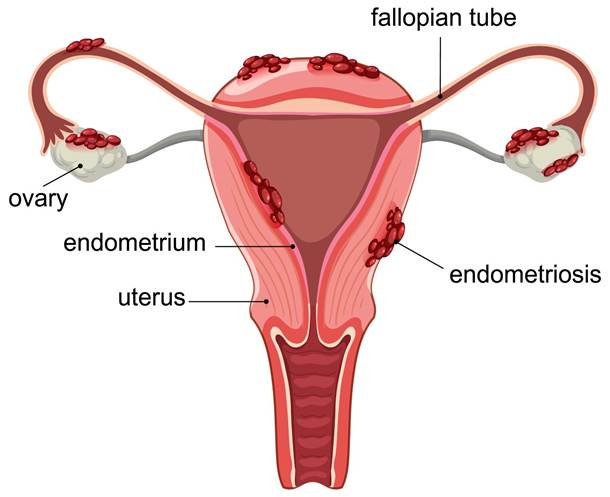
Endometriosis is a condition where tissue similar to the lining of the uterus grows outside it. This common condition can impact women’s health significantly by causing pain and sometimes infertility. When struggling with this condition, many women search for treatments that help lessen the pain and improve their daily life.
One major focus for managing endometriosis is the use of medicines. Individuals frequently ask, can I treat my endometriosis with medicines effectively? The answer often involves looking into a range of options. The role of healthcare providers is crucial in personalizing treatment plans to ensure they meet the individual’s specific needs and medical history. This blog will explore pharmacological solutions available for managing endometriosis and the benefits they might offer.
Understanding the Medical Treatment Landscape for Endometriosis
When considering treatments for endometriosis, the choice often boils down to medicine versus surgery. Endometriosis treatment with medicines is typically recommended for managing symptoms, especially when surgery isn’t immediately required.
There are various types of medications used for this purpose: – Pain relief: Over-the-counter options like NSAIDs (nonsteroidal anti-inflammatory drugs) give temporary relief. However, evidence for their effectiveness in treating endometriosis specifically is limited. – Hormonal therapies: These include birth control pills, GnRH (gonadotropin-releasing hormone) agonists, and antagonists. Hormonal treatments function by reducing or halting menstrual flow, thus suppressing endometriosis growth.
While discussing these options, it’s important to highlight both benefits and potential drawbacks for women across different life stages and conditions.
Hormonal medications can reduce or delay the need for surgery, providing symptom relief for many women. However, they are not devoid of endometriosis treatment with medicines side effects. GnRH treatments, although effective, can lead to temporary menopause-like symptoms such as hot flashes. Birth control pills contain hormones that could cause nausea, headaches, or changes in mood for some women.
In sum, the benefits and disadvantages of medical treatments will vary from person to person, adding complexity and requiring personalized approaches.
Evaluating the Benefits and Side Effects of Endometriosis Medications
Taking medicines can offer several endometriosis treatment with medicines benefits, primarily by alleviating pain, improving wellbeing, and sometimes slowing disease progression. However, understanding the balance of benefits against the side effects is essential.
The potential advantages include: – Significant pain reduction – Improved quality of life – Delay in surgical intervention
Despite these benefits, one must weigh them against the known side effects, which can be both short-term and long-term.
Short-term side effects may include nausea, headaches, and mood swings. Medications like Visanne, commonly prescribed for endometriosis, have garnered attention not just for their benefits but also for their long term side effects. Specifically, users should note that regular use may eventually affect bone density or result in other hormonal changes.
Emphasizing informed decision-making with healthcare professionals is crucial to maximizing these benefits. They can offer insights and guidance, helping women choose appropriate treatments that fit their lifestyles and health goals. Myths about medication, such as harmful impacts on fertility, can often deter women from considering pharmacological treatments. However, factual insights can dismiss these misconceptions, highlighting how medicines contribute to effective management overall.
Complementary Approaches and Crafting Your Personalized Endometriosis Treatment Plan
Personalizing endometriosis treatments doesn’t stop with medicines. A holistic approach can provide additional relief. Endometriosis treatment with medicines prons and cons should be considered while integrating non-pharmaceutical interventions: – Lifestyle changes: Simple routines like regular exercise or yoga can reduce symptoms. – Diet modifications: Some women find relief by tinkering with their diet, focusing on anti-inflammatory foods. – Physical therapy: Targeted exercises can alleviate related pain.
These can enhance medical treatments and may be particularly beneficial when symptoms are mild. By working with healthcare providers, women can tailor their treatment plans according to their body’s response to different strategies.
Moreover, frequent reassessments with healthcare professionals ensure that treatment plans evolve with changing health needs or life circumstances. This dynamism calls for personalization and flexibility in every endometriosis management plan.
In summary, the question can I treat my endometriosis with medicines effectively invites a blend of medical and holistic therapies, tailored uniquely to each woman. Consulting with a healthcare provider will help navigate the choices, weighing both endometriosis treatment with medicines benefits and endometriosis treatment with medicines side effects. Ultimately, the goal is to improve quality of life through a personalized approach that fits individual needs.
