What is Endometriosis?
Endometriosis is a health condition where tissue, similar to the lining inside the uterus, grows outside it. This tissue can cause pain, swelling, and other problems. Many women and people assigned female at birth experience endometriosis. Often, it affects everyday life in many ways. According to the World Health Organization (WHO), endometriosis can impact up to 10% of women of reproductive age worldwide.
Because this tissue reacts to monthly hormones, it can bleed and cause pain. Over time, this may lead to scarring and more discomfort. For many, endometriosis makes daily tasks harder and affects their quality of life.
Common Symptoms and Daily Challenges
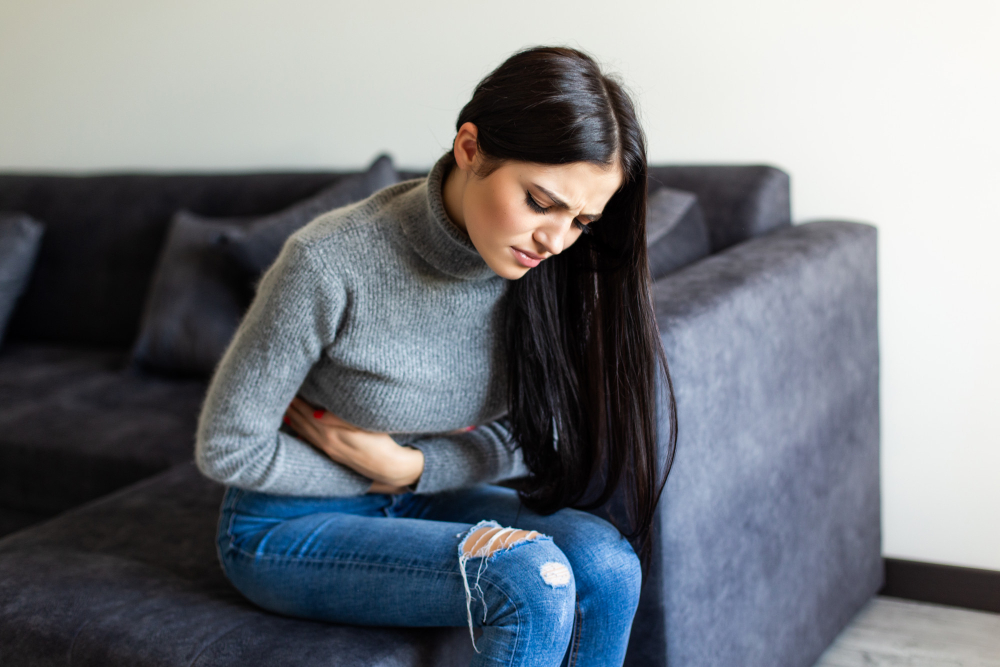
Endometriosis brings several symptoms that can make daily life difficult. For example, many people feel pain in the lower belly or back. This pain can be mild or very strong. It often gets worse during periods, but it can also happen at other times.Chronic pelvic painPainful periods (dysmenorrhea)Pain during sexHeavy bleedingFatigue or tirednessDigestive problems, like bloating or constipation
Because of these symptoms, simple tasks like going to work, exercising, or spending time with friends may feel hard. Sometimes, people miss school or work due to pain. In addition, fatigue can make it tough to keep up with daily chores. Even sitting or standing for long periods may be uncomfortable.
Emotional and Social Impact
Living with endometriosis affects more than just the body. It can also impact emotions and social life. For instance, ongoing pain may lead to stress, sadness, or anxiety. Many people feel frustrated when their symptoms are not understood by others.
Because of pain or tiredness, some may avoid social events or cancel plans. This can lead to feelings of loneliness. In some cases, endometriosis can also affect relationships. For example, pain during sex may cause tension between partners. It is important to remember that these feelings are common and valid.
Coping Strategies and Lifestyle Tips
Although endometriosis can be challenging, there are ways to cope and improve daily life. Here are some helpful tips:Track symptoms: Keep a diary of pain and other symptoms. This helps you and your doctor find patterns.Manage pain: Use heat pads, gentle exercise, or relaxation techniques to ease discomfort.Eat a balanced diet: Some people find that eating more fruits, vegetables, and whole grains helps reduce symptoms.Get enough rest: Try to sleep well each night. Rest can help your body heal and reduce fatigue.Talk to others: Join support groups or talk with friends and family. Sharing your feelings can make a big difference.Work with your doctor: Regular check-ups help manage symptoms and adjust treatments as needed.
In addition, practicing stress-reducing activities like yoga or meditation can help. Remember, small changes in your routine may lead to big improvements over time.
When to Seek Medical Help
Sometimes, symptoms of endometriosis can get worse or become hard to manage. If you notice any of the following, it is important to see a healthcare provider:Severe or sudden pain that does not improveHeavy bleeding that soaks through pads or tampons quicklyPain that stops you from doing daily activitiesFeeling very sad, anxious, or hopeless
Early treatment can help control symptoms and prevent complications. Your doctor may suggest medicines, physical therapy, or sometimes surgery. Do not wait to ask for help if you need it.
Conclusion
Endometriosis can affect many parts of everyday life, from work to relationships. However, with the right coping strategies and support, you can manage symptoms and improve your well-being. Consult a healthcare specialist for personalized advice on managing endometriosis.
