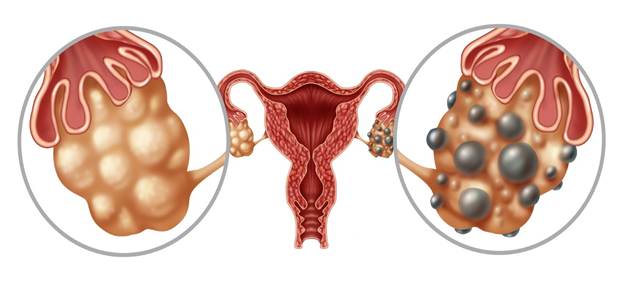
You’re at the doctor’s office, and your ultrasound reveals an ovarian cyst. My USG shows an ovarian cyst, what next? you might wonder. An ovarian cyst is essentially a fluid-filled sac either on or inside your ovary. Many women feel anxious when they find one. It’s natural to worry about what this means for your health and wellbeing.
Finding a cyst can feel scary. Concerns about reproduction and overall health often surface. But, understanding ovarian cysts is essential. Some cysts are harmless, while others may require attention. Common cyst types include functional, dermoid, and endometriomas. Let’s dive deeper into types, causes, and symptoms to ease any fears you may have.
Understanding Ovarian Cysts: Causes, Types, and Symptoms
Understanding ovarian cysts starts with knowing that there are various types. Functional cysts often form during your menstrual cycle. Dermoid cysts have different tissues, while endometriomas relate to endometrial tissue. Thankfully, many cysts are not dangerous and resolve by themselves.
The menstrual cycle plays a big role. Cysts often emerge as part of this natural process. Most women encounter them at some point. Symptoms can include pelvic pain, bloating, and menstrual changes. Not everyone experiences these, though.
Factors like age, family history, and lifestyle choices can influence cyst formation. Some women are more prone due to genetics or health habits. Recognizing these factors can help manage your concern and make better health choices.
When to Seek Help: Diagnosis, Treatment, and Preventive Measures
Cyst discovery might make you ask, “My USG shows an ovarian cyst, what next?” Seeking help is crucial for peace of mind. Early diagnosis helps, often using transvaginal ultrasounds or blood tests. A clear understanding of ovarian cyst diagnosis FAQ can lift some weight off your shoulders.
Common ovarian cyst treatment options include watchful waiting and hormonal treatments. Surgery might be advised in some cases, depending on size or symptoms. Recognizing urgent signs like sudden pain, which might indicate rupture, is vital.
To reduce cyst risks, consider these steps: – Regular check-ups with your healthcare provider. – Maintaining a healthy lifestyle with balanced nutrition. – Avoiding smoking and managing stress effectively.
These steps can prevent cysts from impacting your health significantly.
Living with Ovarian Cysts: Mental and Reproductive Health Considerations
Living with cysts can bring ovarian cyst fertility concerns to mind. Many wonder if cysts affect the ability to conceive. While some cysts might complicate conception, many do not. It’s important to discuss these worries with a healthcare provider to ease anxiety.
Emotional impact is also significant. Dealing with uncertainty can affect mental health. It’s important to lean on support networks and seek professional mental health support if needed.
Some self-care tips include: – Staying informed and discussing concerns openly with your doctor. – Practicing relaxation techniques like yoga or meditation. – Reading ovarian cyst types explained can provide reassurance.
Stories of women overcoming cyst challenges offer hope and inspiration. Many lead full lives with minimal impact from cysts. It’s about staying informed and proactive in your wellbeing journey.
Ovarian cyst monitoring procedures are key to managing them. Knowing when surgery is needed or when to just monitor changes everything. If surgery becomes necessary, understanding ovarian cyst surgery recovery will aid preparation for the procedure and healing process. Ultimately, being proactive and well-informed are your best tools for handling ovarian cysts effectively.
