Introduction
Endometriosis is a health condition that affects many women. It can cause pain, heavy periods, and tiredness. But, did you know that what you eat may help? Many people find that changing their diet can improve endometriosis symptoms. In this blog, you will learn how diet for endometriosis can make a difference. We will also share foods for endometriosis relief and nutrition tips for endometriosis. Let’s explore how simple changes can help you feel better.
What Is Endometriosis?
Endometriosis happens when tissue, like the lining inside the womb, grows outside it. This tissue can cause pain and swelling. Often, it affects the ovaries, fallopian tubes, and other areas in the belly. According to the World Health Organization (WHO), endometriosis affects about 10% of women of childbearing age. Because it can be hard to diagnose, many women may not know they have it.
Common Symptoms of Endometriosis
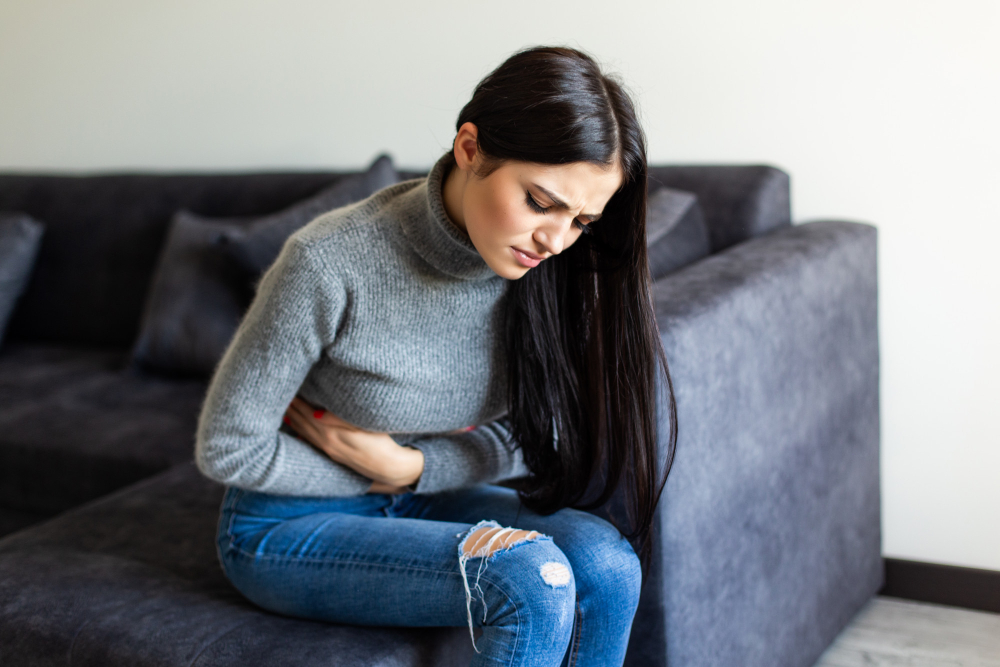
Endometriosis can cause a range of symptoms. Some women have mild signs, while others feel more discomfort. Common symptoms include:Painful periodsPain during or after sexLower belly or back painHeavy bleeding during periodsTiredness or low energyTrouble getting pregnant
However, not everyone will have all these symptoms. If you notice any of these, it is wise to talk to your doctor.
The Link Between Diet and Endometriosis
Many studies suggest that diet can affect endometriosis symptoms. For example, some foods may lower swelling and pain. Others might make symptoms worse. While diet alone cannot cure endometriosis, it can help manage discomfort. Eating the right foods may also boost your energy and mood. Therefore, making smart food choices is important for women with endometriosis.
Foods That May Help Ease Endometriosis Symptoms
Some foods can help reduce pain and swelling linked to endometriosis. Here are some good options:Fruits and vegetables: These are rich in vitamins and fiber. They help fight swelling.Whole grains: Foods like brown rice, oats, and quinoa give steady energy.Omega-3 fatty acids: Fish like salmon, flaxseeds, and walnuts may lower pain.Lean proteins: Chicken, turkey, and beans help build strength.Healthy fats: Olive oil and avocados support overall health.
In addition, drinking enough water can help your body work better. Try to include these foods in your daily meals.
Foods to Avoid with Endometriosis
Some foods may make endometriosis symptoms worse. It is best to limit or avoid:Processed foods: Chips, cookies, and fast food can increase swelling.Red meat: Eating too much beef or pork may raise pain levels.Sugar and sweets: Cakes, candies, and sodas can cause mood swings and tiredness.Dairy products: Some women find milk and cheese make symptoms worse.Caffeine and alcohol: These can trigger pain or heavy bleeding for some people.
Instead, choose fresh, whole foods whenever possible. This can help your body feel its best.
Sample Meal Ideas for Endometriosis Relief
Planning meals can be simple. Here are some easy ideas for a diet for endometriosis:Breakfast: Oatmeal with berries and walnutsLunch: Grilled chicken salad with spinach, tomatoes, and olive oilSnack: Apple slices with almond butterDinner: Baked salmon, brown rice, and steamed broccoliDrink: Herbal tea or water with lemon
For variety, try adding lentils, sweet potatoes, or roasted vegetables. These meals are easy to prepare and gentle on the body.
Lifestyle Tips for Managing Endometriosis
Besides diet, some lifestyle changes can help manage endometriosis. For example:Get regular exercise, like walking or yogaPractice stress relief, such as deep breathing or meditationKeep a symptom diary to track what helps or hurtsRest when you need to, and listen to your body
These steps, along with a healthy diet, can make a big difference in daily comfort.
When to Consult a Healthcare Professional
Even with the best diet for endometriosis, you may still have symptoms. If pain, heavy bleeding, or tiredness do not improve, it is time to see a doctor. Sometimes, you may need medicine or other treatments. Always talk to a healthcare professional before making big changes to your diet or lifestyle. They can give you advice that fits your needs.
Consult a specialist for personalized guidance on managing endometriosis through diet.
