
Introduction
Laparoscopy is a type of minimally invasive surgery. It uses small cuts and a camera to help doctors see inside your body. Recovering after laparoscopy is important for your health and comfort. With the right care, most people heal quickly. This guide explains what to expect each day and offers tips for post-laparoscopy care. You will also find answers to common questions about healing after minimally invasive surgery.
What Is Laparoscopy?
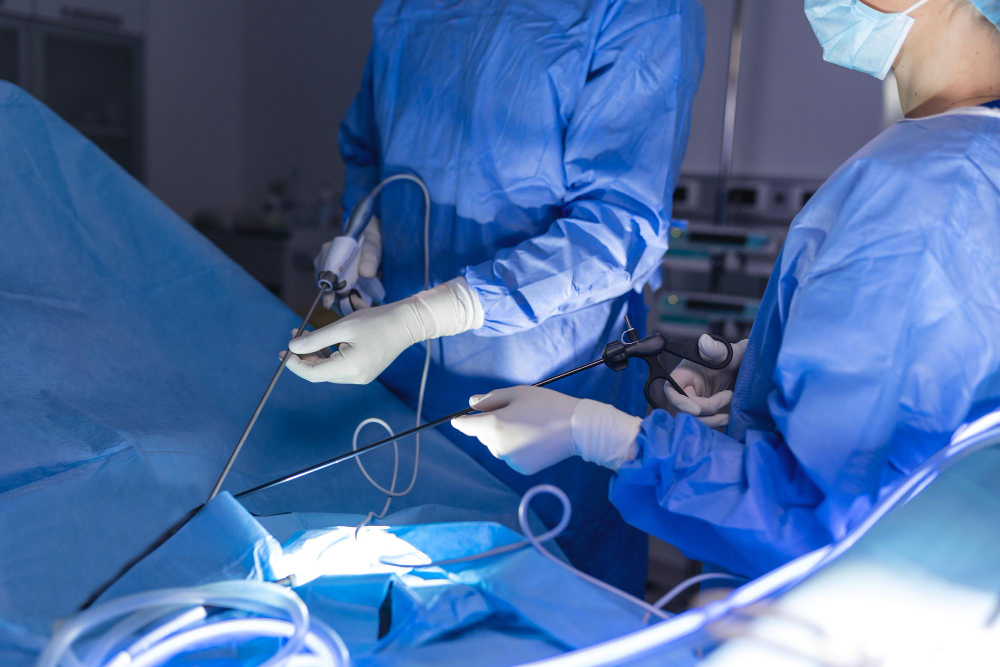
Laparoscopy is a surgery done through small cuts in your belly. Doctors use a thin tube with a camera, called a laparoscope, to look inside. Because the cuts are small, you usually heal faster than with open surgery. Many people have laparoscopy for problems like gallstones, endometriosis, or to check for causes of pain. The recovery is often easier, but you still need to take care of yourself.
Why Is Recovery Important?
Proper recovery helps your body heal and lowers the risk of problems. For example, resting and following your doctor’s advice can prevent infection. In addition, good care can help you feel better sooner. If you rush or ignore symptoms, you may slow your healing. Therefore, it is important to follow a recovery plan after laparoscopic surgery.
Day-by-Day Recovery Timeline
Day 1: Right After Surgery
After surgery, you may feel sleepy or dizzy. You might have some pain or feel bloated. Nurses will check your vital signs and help you get comfortable. Most people can drink water and eat light foods. However, you should avoid heavy meals. You may also notice some soreness near the cuts.
Day 2-3: Early Recovery
During these days, you will likely feel tired. You may have mild pain or shoulder aches from the gas used during surgery. Walking a little can help reduce bloating. But, do not overdo it. You should keep the cuts clean and dry. If you feel well, you can eat your normal foods. Still, avoid lifting heavy things.
Day 4-7: Getting Stronger
By now, you should feel better each day. Pain and swelling should decrease. You can move around more, but you should rest when tired. Most people return to light activities. However, you should not do hard work or exercise yet. Keep watching for signs of infection, like redness or pus.
Week 2: Back to Routine
Many people return to work or school after one to two weeks. You may still feel a little sore, but you should be able to do most daily tasks. If your job is physical, ask your doctor when you can return. You should continue to avoid heavy lifting until your doctor says it is safe.
After Two Weeks: Full Recovery
Most people feel almost normal after two weeks. The cuts should be healing well. You can slowly return to exercise and other activities. But, always listen to your body. If you feel pain, slow down and rest. If you have any concerns, contact your doctor.
Common Symptoms and What to Expect
After laparoscopy, you may notice:Mild pain or soreness near the cutsShoulder pain from gas used during surgeryBloating or mild swellingFeeling tired or weakLight spotting or discharge (if surgery was for women’s health)
Most of these symptoms get better each day. However, if they get worse, you should call your doctor.
Tips for a Smooth Recovery
Rest as much as you need, especially in the first few daysDrink plenty of water to stay hydratedEat light, healthy meals to help your body healWalk a little each day to improve blood flowKeep your cuts clean and dryFollow your doctor’s instructions for medicinesAvoid lifting heavy things until your doctor says it is safeAsk for help with chores if you need it
Warning Signs: When to Call Your Doctor
Sometimes, problems can happen after surgery. You should call your doctor if you notice:Fever over 100.4°F (38°C)Redness, swelling, or pus at the cutsSevere pain that does not get betterHeavy bleeding or dischargeTrouble breathing or chest painVomiting or not able to keep food down
These signs could mean an infection or other problem. Early care can help prevent serious issues.
Lifestyle and Self-Care Guidance
After laparoscopy, taking care of yourself is key. For example, get enough sleep and eat healthy foods. You should avoid alcohol and smoking, as they can slow healing. In addition, gentle walks can help you feel better. If you feel sad or worried, talk to someone you trust. Remember, healing takes time, and everyone recovers at their own pace.
Frequently Asked Questions
How long does it take to recover after laparoscopy?Most people feel better in one to two weeks. Full recovery may take longer for some.Can I shower after surgery?Yes, but keep the cuts dry. Ask your doctor when you can get them wet.When can I drive again?Usually, you can drive after you stop taking pain medicine and feel alert. Check with your doctor first.Is it normal to feel tired?Yes, feeling tired is common. Your body needs rest to heal.What if I have more questions?Always ask your doctor or nurse. They can give you advice for your situation.
Consult a healthcare specialist for personalized recovery advice after laparoscopy.
