
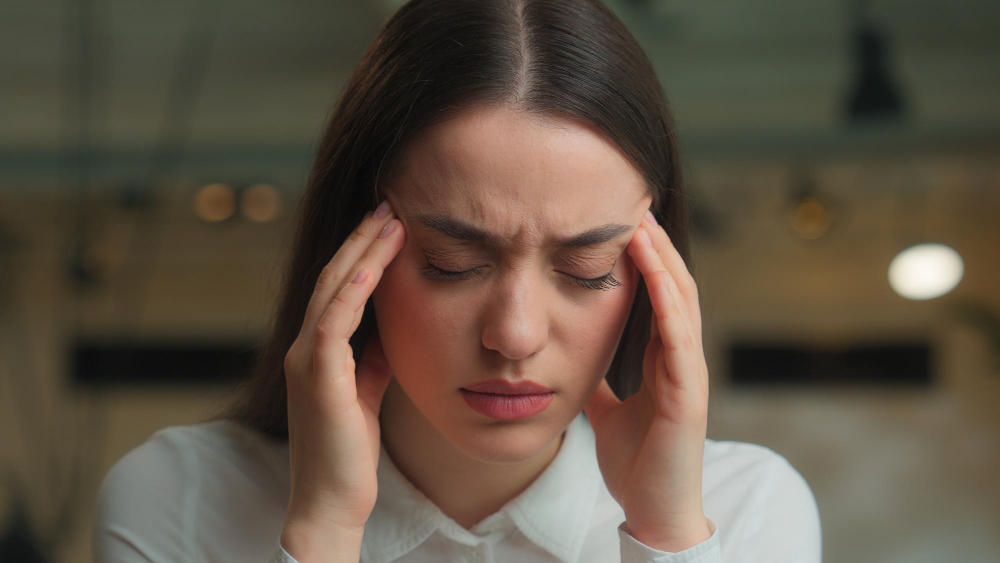
Introduction
Migraine in women is a common health issue. It often peaks around hormonal changes, such as periods, pregnancy, or menopause. Many women notice their migraine attacks get worse or more frequent during these times. This link between migraine in women and hormonal changes is well known. Understanding why this happens can help women manage their symptoms better.
What is Migraine?
Migraine is a type of headache that can cause strong pain. It often comes with other symptoms, like nausea or sensitivity to light. Unlike regular headaches, migraines can last for hours or even days. For many women, migraines can disrupt daily life. According to the World Health Organization (WHO), migraine is one of the most disabling health conditions worldwide.
How Hormonal Changes Affect Migraine in Women
Hormones are chemicals in the body that control many functions. In women, hormones like estrogen and progesterone change during the menstrual cycle, pregnancy, and menopause. These changes can affect the brain and blood vessels. As a result, migraine in women often peaks when hormone levels rise or fall quickly. For example, many women get migraines just before or during their period. Others may notice changes during pregnancy or menopause.
Common Symptoms of Migraine During Hormonal Fluctuations
When hormones shift, migraine symptoms can feel stronger or last longer. Some common symptoms include:Throbbing or pulsing headache, often on one side of the headNausea or vomitingSensitivity to light, sound, or smellsBlurred vision or seeing flashing lightsFeeling tired or weak
Sometimes, women may also feel dizzy or have trouble thinking clearly. These symptoms can make it hard to work or enjoy daily activities.
Causes and Triggers Linked to Hormonal Shifts
Hormonal changes are a key trigger for migraine in women. However, other factors can also play a role. Here are some common causes and triggers:Menstruation: Many women get migraines before or during their period. This is called menstrual migraine.Pregnancy: Hormone levels rise during pregnancy. Some women find their migraines improve, while others may get worse attacks.Menopause: As women approach menopause, hormone levels change again. Migraines may become more frequent or severe.Birth control pills: These can affect hormone levels and trigger migraines in some women.Other triggers: Stress, lack of sleep, certain foods, and changes in weather can also cause migraines.
It is important to track your symptoms and note when they happen. This can help you and your doctor find patterns and triggers.
Diagnosis: How Doctors Identify Migraine Related to Hormones
Doctors diagnose migraine in women by asking about symptoms and medical history. They may ask if your headaches happen around your period or other hormonal changes. Sometimes, doctors suggest keeping a headache diary. This helps track when migraines occur and what might trigger them. In some cases, doctors may order tests to rule out other causes. However, most of the time, a careful history is enough to diagnose migraine related to hormones.
Treatment Options and Lifestyle Tips for Women
Treating migraine in women often involves a mix of medicine and lifestyle changes. Here are some options:Pain relievers: Over-the-counter medicines like ibuprofen can help mild migraines.Prescription medicines: Triptans or other drugs may be needed for stronger attacks.Hormone therapy: In some cases, doctors may suggest hormone treatments to balance levels.Healthy habits: Regular sleep, balanced meals, and exercise can reduce migraine attacks.Stress management: Techniques like yoga or meditation may help lower stress and prevent migraines.
Always talk to your doctor before starting any new treatment. Some medicines may not be safe during pregnancy or with certain health conditions.
Prevention: How to Manage Migraine Around Hormonal Changes
Preventing migraine in women often means managing triggers and planning ahead. Here are some tips:Keep a headache diary to spot patterns and triggersStick to a regular sleep scheduleEat balanced meals and avoid skipping foodStay hydrated by drinking enough waterManage stress with relaxation techniquesTalk to your doctor about preventive medicines if migraines are frequent
For some women, adjusting birth control or hormone therapy may help. Your doctor can guide you on the best options for your needs.
Conclusion
Migraine in women often peaks around hormonal changes. Understanding this link can help you manage symptoms and improve your quality of life. If you notice migraines during your period, pregnancy, or menopause, keep track of your symptoms.
Consult a healthcare specialist for personalized advice on managing migraine related to hormonal changes.
