
What is Laparoscopy?
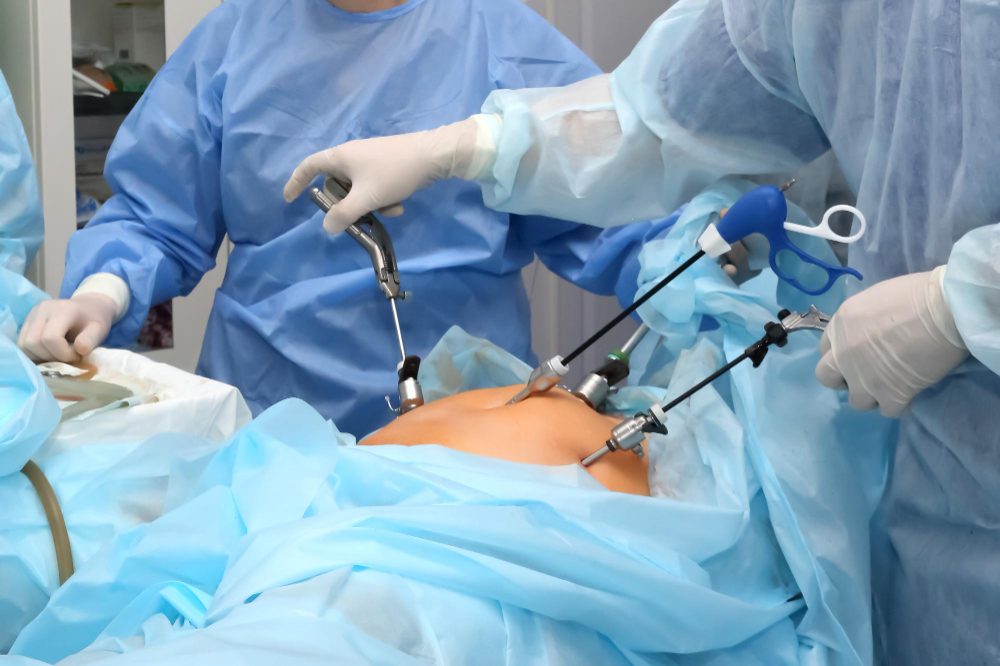
Laparoscopy is a type of minimally invasive surgery. Doctors use small cuts and a thin tube with a camera to see inside the body. Because of this, laparoscopy often means less pain and a faster recovery than open surgery. Many gynecological procedures, such as removing ovarian cysts or treating endometriosis, use laparoscopy. Today, both traditional and robotic methods are available. But which is better? Let’s compare them to help you understand your options.
Overview of Traditional Laparoscopy
Traditional laparoscopy uses a small camera and special tools. The surgeon holds and moves these tools by hand. Usually, the doctor stands beside the patient and looks at a screen to guide the surgery. This method has been used for many years. It is common for gallbladder removal, hernia repair, and gynecological surgeries. Because the cuts are small, patients often heal faster than with open surgery.
Overview of Robotic Laparoscopy
Robotic laparoscopy is a newer form of minimally invasive surgery. In this method, the surgeon sits at a console and controls robotic arms. These arms hold the camera and surgical tools. The robot does not work on its own; the surgeon is always in control. Robotic surgery can offer more precise movements. It is often used for complex gynecological and urological procedures. As technology improves, more hospitals are offering robotic surgery.
Key Differences Between Robotic and Traditional Laparoscopy
While both methods use small cuts and a camera, there are important differences. For example, robotic surgery uses advanced technology, while traditional laparoscopy relies on the surgeon’s hands. Here are some key differences:Control: Traditional laparoscopy is done by hand; robotic surgery uses a console and robotic arms.Precision: Robotic systems can make finer movements.View: Robotic surgery often gives a 3D view; traditional uses a 2D screen.Learning curve: Surgeons may need extra training for robotic systems.Cost: Robotic surgery is usually more expensive.
Benefits and Limitations of Each Method
Both types of laparoscopy have their own pros and cons. Let’s look at each:
Benefits of Traditional Laparoscopy
Lower cost for most patientsWidely available in many hospitalsShort recovery time compared to open surgery
Limitations of Traditional Laparoscopy
Less precise for complex casesSurgeon may get tired during long proceduresLimited range of motion for tools
Benefits of Robotic Laparoscopy
Greater precision and controlBetter for complex or delicate surgeries3D view helps surgeons see detailsLess fatigue for the surgeon
Limitations of Robotic Laparoscopy
Higher cost for patients and hospitalsNot available everywhereLonger setup time
Safety, Recovery, and Outcomes
Both robotic and traditional laparoscopy are considered safe. According to the World Health Organization and recent studies, both methods have low risks of infection and complications. Most patients recover faster than with open surgery. In many cases, people return to normal activities within a week or two. However, robotic surgery may offer less blood loss and fewer complications in some complex cases. Still, the overall safety and success depend on the surgeon’s skill and the patient’s health.
How to Choose the Right Option
Choosing between robotic and traditional laparoscopy depends on several factors. For instance, the type of surgery, your health, and what is available at your hospital all matter. Here are some tips to help you decide:Talk to your doctor about your specific needsAsk about the surgeon’s experience with each methodConsider the cost and insurance coverageThink about the benefits and risks for your case
Above all, your doctor can help you weigh the pros and cons. Every patient is different, so the best choice is personal.
Conclusion
In summary, both robotic and traditional laparoscopy are safe and effective. Each has unique benefits and some drawbacks. For simple cases, traditional laparoscopy may be enough. For complex surgeries, robotic methods can offer more precision. Consult a gynecological specialist to determine the best surgical option for your needs.
