Introduction
Heart health in women is often misunderstood. Many women do not realize that heart disease is their leading cause of death. Yet, symptoms can be subtle or different from men. Because of this, women may overlook warning signs. Early recognition can save lives. In this blog, we will explore the unique aspects of heart health in women. We will also discuss symptoms, risk factors, and prevention tips.
Why Heart Health in Women Is Unique
Heart disease affects both men and women. However, women often experience different symptoms. For example, women may have less chest pain and more subtle signs. According to the CDC, women are more likely to have “silent” heart attacks. These may go unnoticed. Additionally, hormonal changes, such as menopause, can increase risk. Because of these differences, it is important for women to know their own risks and symptoms.
Common Symptoms Women Overlook
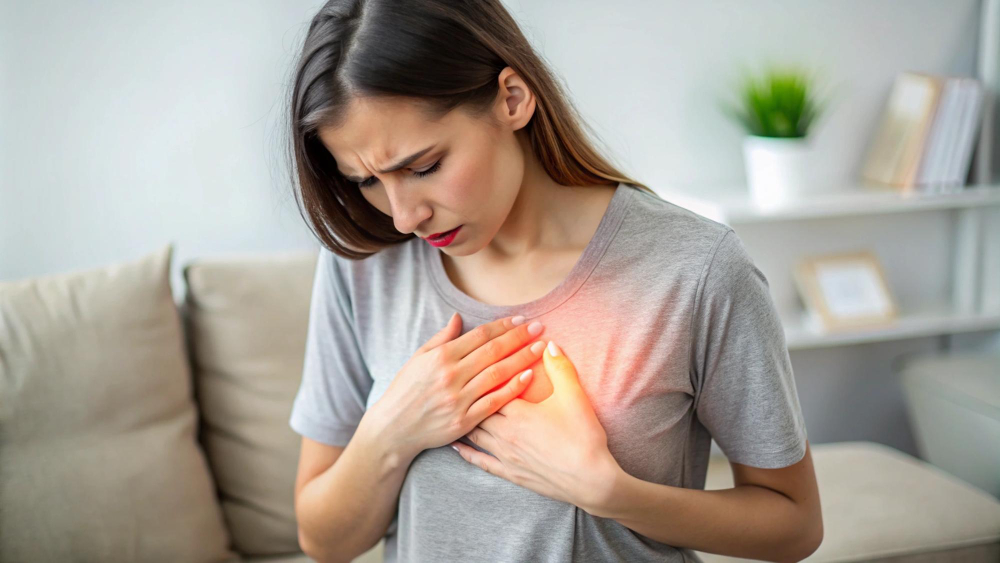
Many women expect heart attacks to cause severe chest pain. However, female heart attack symptoms can be mild or unusual. Often, women ignore these signs or think they are caused by other issues. Some common symptoms women overlook include:Unusual fatigue, even after restShortness of breath during simple activitiesDiscomfort in the neck, jaw, or backLightheadedness or dizzinessNausea or vomiting without a clear reasonCold sweatsIndigestion or heartburn-like feelings
For instance, a silent heart attack in women may only cause mild discomfort. Therefore, it is easy to miss or ignore these symptoms.
Causes and Risk Factors
Several factors increase the risk of heart disease in women. Some risks are the same as in men, but others are unique to women. For example, pregnancy-related conditions like preeclampsia can raise risk later in life. Other common risk factors include:High blood pressureHigh cholesterolDiabetesSmokingObesityFamily history of heart diseasePhysical inactivityStress and depression
Additionally, after menopause, women’s risk increases. This is due to lower estrogen levels. According to the American Heart Association, women with diabetes have a higher risk than men with diabetes.
How to Recognize Warning Signs Early
Recognizing women’s heart disease warning signs early can save lives. First, pay attention to any new or unusual symptoms. Even mild discomfort should not be ignored. Next, notice if symptoms appear during rest or light activity. For example, if you feel short of breath while walking, take it seriously. Also, if you feel tired for no clear reason, consider your heart health. Always compare your symptoms to your usual health. If something feels off, it is better to be cautious.
Diagnosis and When to Seek Help
If you notice possible heart symptoms, seek medical help right away. Early diagnosis can prevent serious problems. Doctors may use tests like:Electrocardiogram (ECG) to check heart rhythmBlood tests to look for heart damageStress tests to see how your heart works during activityImaging tests, such as echocardiograms
Importantly, do not wait for severe pain. Even mild symptoms can signal a problem. If you feel chest pain, shortness of breath, or sudden weakness, call emergency services immediately.
Prevention and Lifestyle Tips
There are many ways to protect your heart health. Simple lifestyle changes can lower your risk. For example, you can:Eat a balanced diet rich in fruits and vegetablesExercise regularly, even with light activities like walkingAvoid smoking and limit alcoholManage stress with relaxation techniquesKeep a healthy weightMonitor blood pressure and cholesterolGet regular health check-ups
Additionally, talk to your doctor about your personal risk factors. They can help you create a plan that works for you.
When to Consult a Doctor
It is always better to be safe. If you notice any possible heart symptoms, consult a healthcare professional. Even if symptoms seem mild, early action can prevent serious problems. For example, if you have risk factors or a family history of heart disease, schedule regular check-ups. Your doctor can guide you on tests and prevention. Remember, your health is important. Do not ignore warning signs.
Conclusion
In summary, heart health in women deserves special attention. Many women overlook symptoms that could signal heart disease. By knowing the warning signs and risk factors, you can take steps to protect your heart. If you notice any unusual symptoms, consult your doctor for personalized advice. Early action can save lives.
